About Abrasion Resistant Sheet
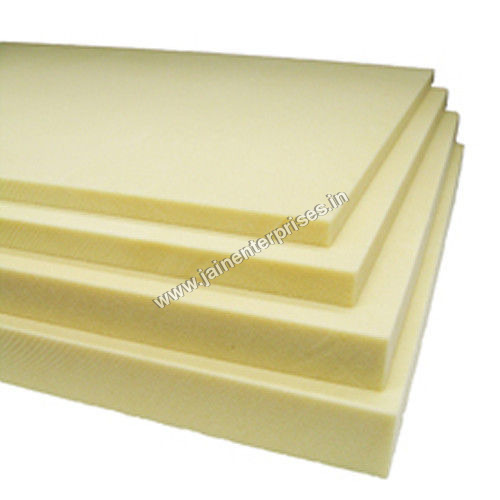
Abrasion Resistant Sheet
Backed by a sound and sophisticated infrastructure base, we are considered as one of the prominent manufacturers and exporters of the Abrasion Resistant Sheet. We procure fine quality of rubber from the leading vendor base for manufacturing these sheets as per the industrial standards. Available in different sizes & thicknesses, these sheets are ideal for use in shot blasting industry and rubber linning for material handling equipment. Our Abrasion Resistant Sheet is rigorously checked on different parameters prior to their final dispatch to the customers.
Features:
- Easy to use
- Wear & abrasion resistant
- Light in weight
Further Details:
Abrasion resistant rubber sheets are compounded from high grade natural rubber to provide the best resistant to cut, wear and abrasion. These type of sheets are widely used in or any other crucial application to reduce wear and tear of the parts/ equipments.
| Thickness | 3.0mm to 50mm |
| Width | Up to 1200mm |
| Length | Continuous length |
| Color | Black, White or in desired color |
| Temp. | 20deg.C to +80deg.C |
| Hardness | Shore A 40 to 85 |
| Tensile Strength | 2Mpa |
| Elongation | 180% |
- Surface can be smooth or fabric impression.
Outstanding Abrasion Resistance for Demanding EnvironmentsDesigned to endure intense wear, these sheets provide exceptional abrasion resistance, maintaining their integrity even under continual physical stress. Their dense and smooth surface enables reliable performance in applications such as heavy-duty flooring and conveyor chute linings, ensuring longevity and reduced maintenance costs.
Flexible Sizing for Versatile ApplicationsAvailable in thicknesses from 2 mm to 25 mm, widths up to 1220 mm, and customizable lengths, these sheets cater to diverse project requirements. Whether you need standard sizes or tailored dimensions, they accommodate different installation needs without compromising quality or performance.
FAQs of Abrasion Resistant Sheet:
Q: How are Abrasion Resistant Sheets installed in industrial settings?
A: Abrasion Resistant Sheets are typically affixed to surfaces using mechanical fastening or industrial adhesives, depending on the application. Installation requires ensuring a clean substrate and matching sheet dimensions to the sites requirements, whether for flooring, lining, or chutes.
Q: What types of environments are suitable for these polycarbonate sheets?
A: These sheets are ideal for environments involving frequent physical contact, abrasion, or heavy-duty operations, such as factories, warehouses, and facilities with conveyor systems. Their high abrasion and temperature resistance make them fit for rigorous industrial use.
Q: When should I use Abrasion Resistant Sheets instead of standard sheets?
A: Use these specialized sheets when your application demands superior durability, resistance to wear, and protection against chemical or physical damage. Theyre especially beneficial in high-traffic zones and areas exposed to continuous abrasion.
Q: Where can I source Abrasion Resistant Sheets in India?
A: You can acquire these sheets from certified manufacturers and suppliers across India who specialize in industrial-grade polycarbonate products. Check verified distributors for product specifications and customization options.
Q: What is the manufacturing process involved in producing these sheets?
A: The sheets are produced through extrusion or molding of high-purity polycarbonate resin, followed by controlled cooling and finishing to achieve either glossy or matt surfaces. Quality control ensures proper dimensions, consistent density, and high performance properties.
Q: How are these sheets typically used in industry?
A: Industries use Abrasion Resistant Sheets for heavy-duty flooring, lining of industrial chutes, and protective applications where persistent wear is present. Their dense and smooth surface allows for easy cleaning and extended operational life.
Q: What are the main benefits of choosing these Abrasion Resistant Sheets?
A: Opting for these sheets offers prolonged operational lifespan, lowered maintenance expenses, and reliable protection against mechanical and chemical stress. Their high tensile strength, elongation at break, and low water absorption ensure optimal functionality in tough industrial environments.

 Send Inquiry


 Send Inquiry

 Send Inquiry
 English
 Spanish
 French
 German
 Italian
 Chinese (Simplified)
 Japanese
 Korean
 Arabic
 Portuguese